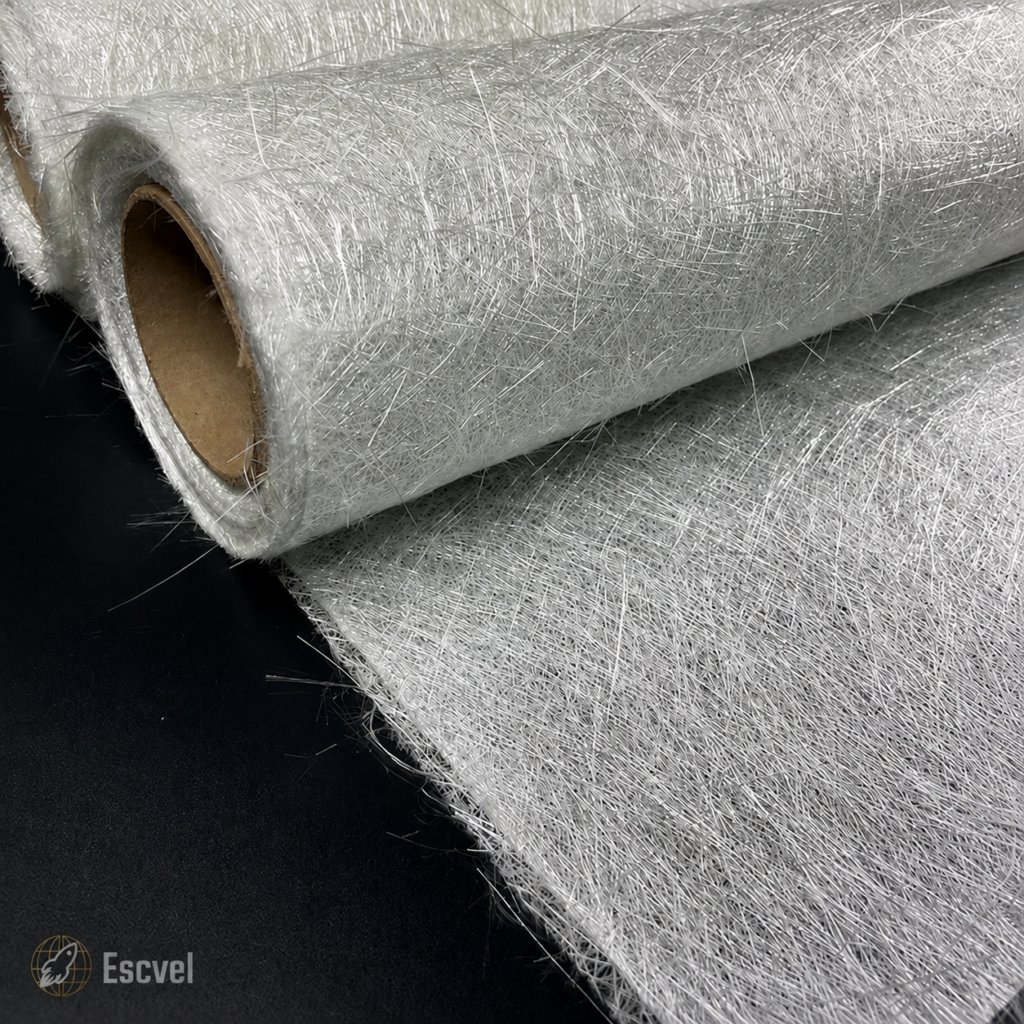
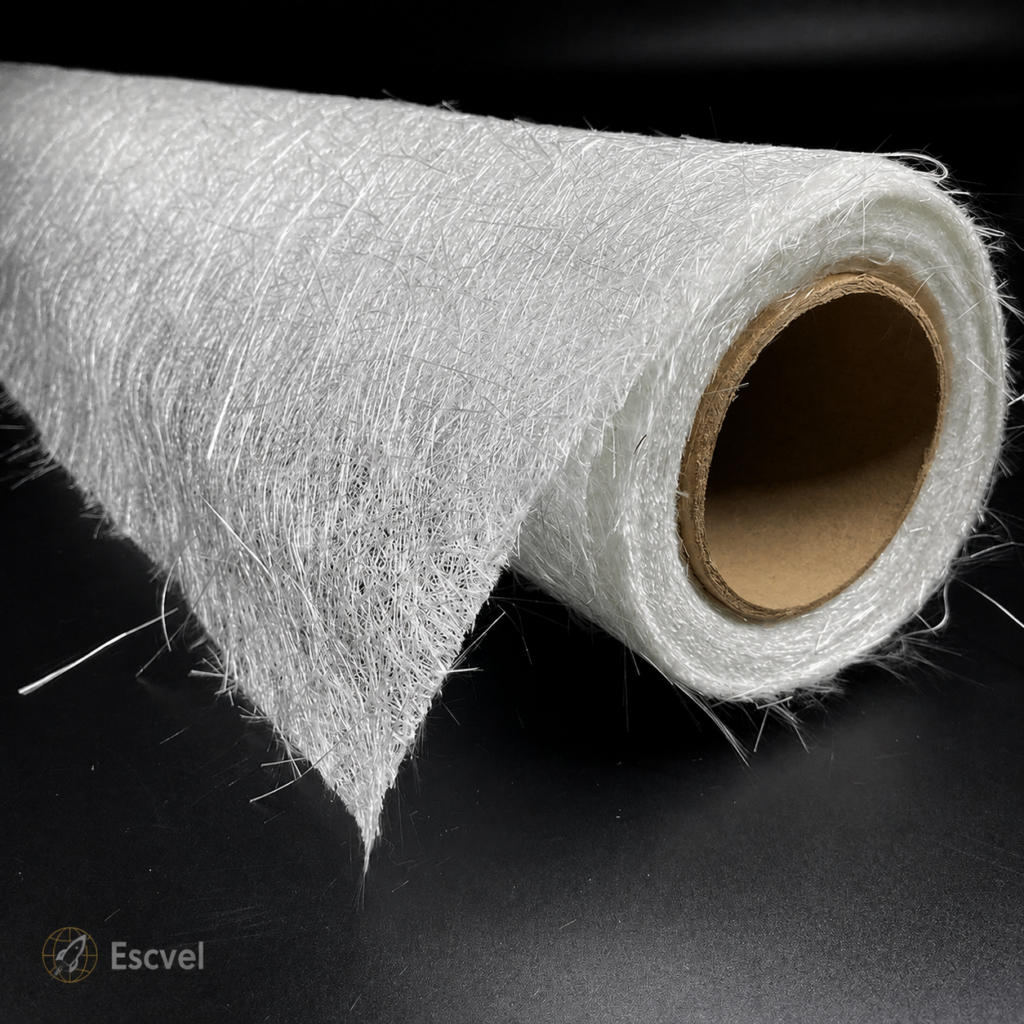
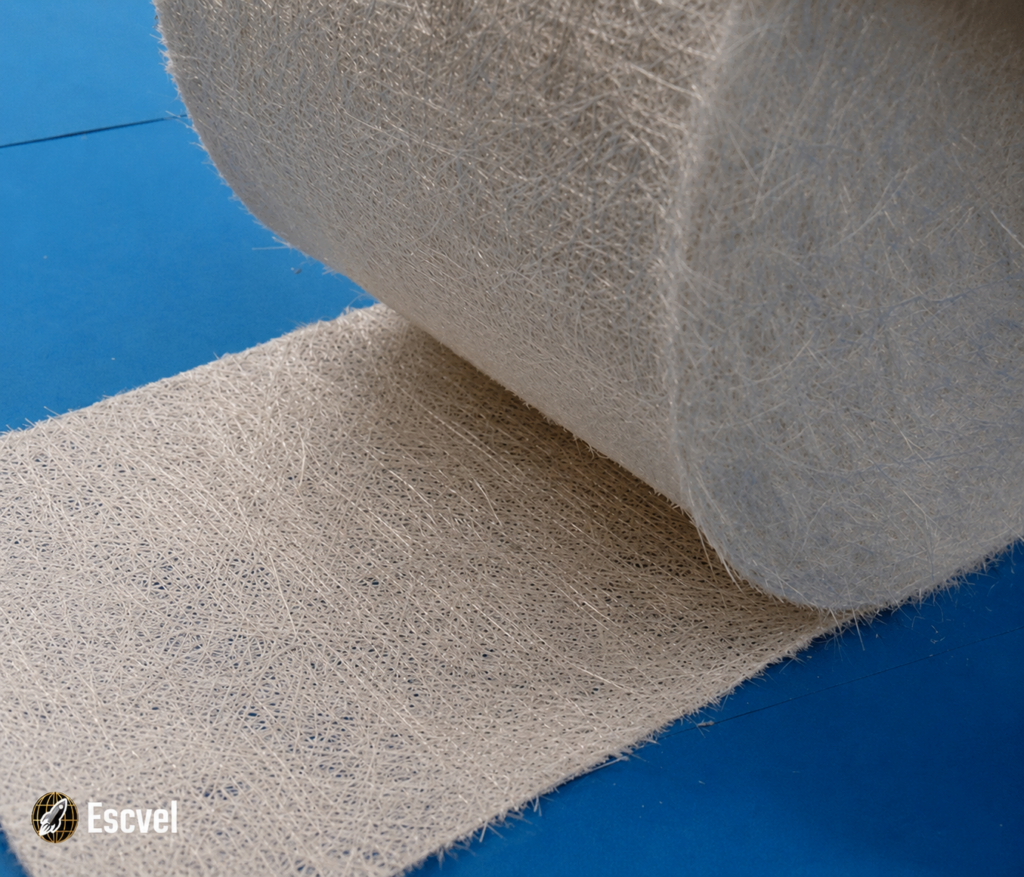
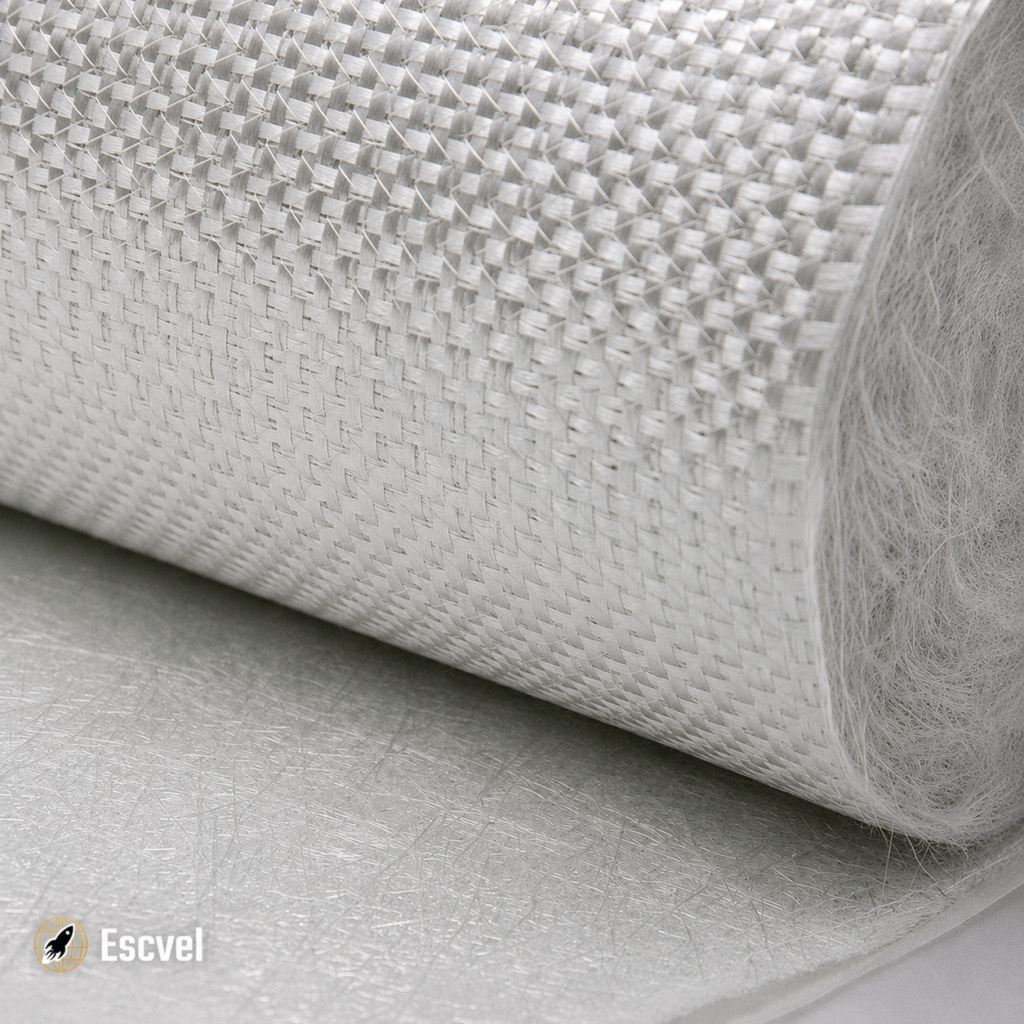
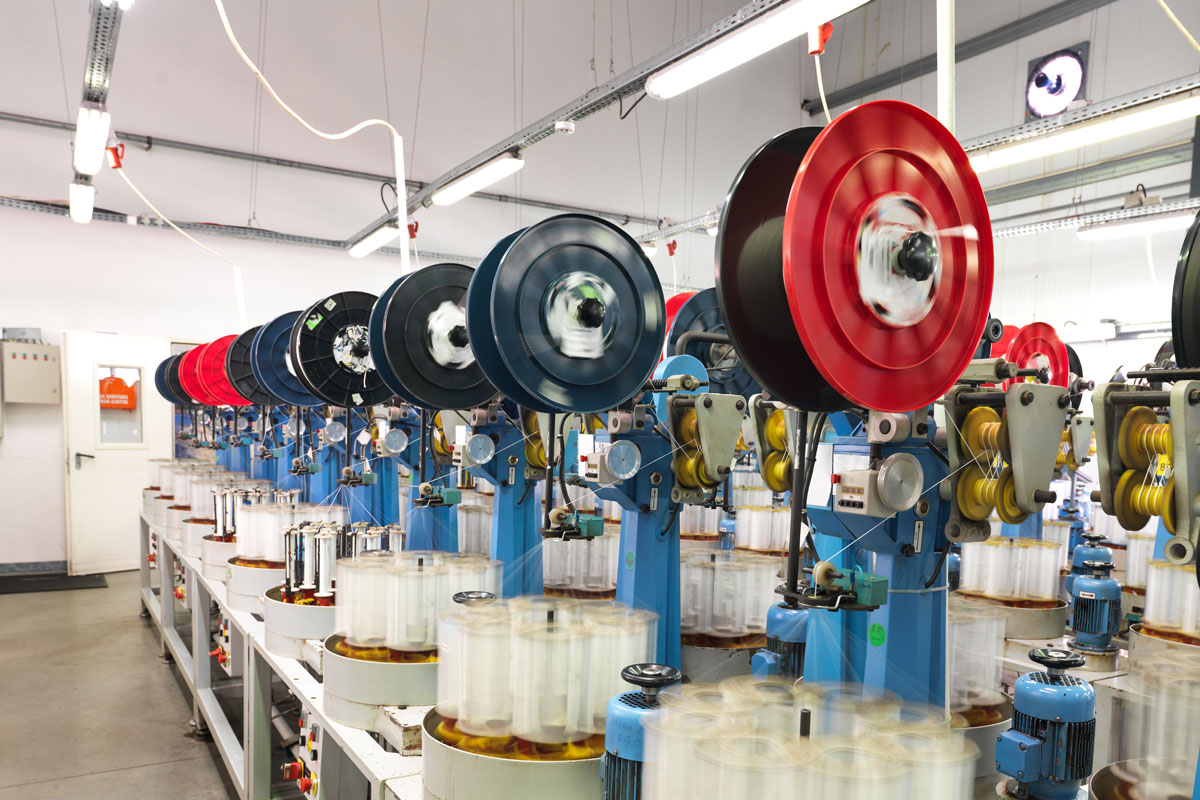
Chopped Strand Mat (CSM) is a non‑woven, randomly oriented glass‑fiber reinforcement bonded with powder or emulsion binders; it delivers fast wet‑out, isotropic reinforcement, and predictable area weight for hand‑layup, press, winding and spray processes.
CSM is economical, non‑woven glass reinforcement for marine, automotive, tanks, pipes and general FRP parts. Available GSM: 50–1000; widths to suit roll or cut‑sheet formats.
Process:
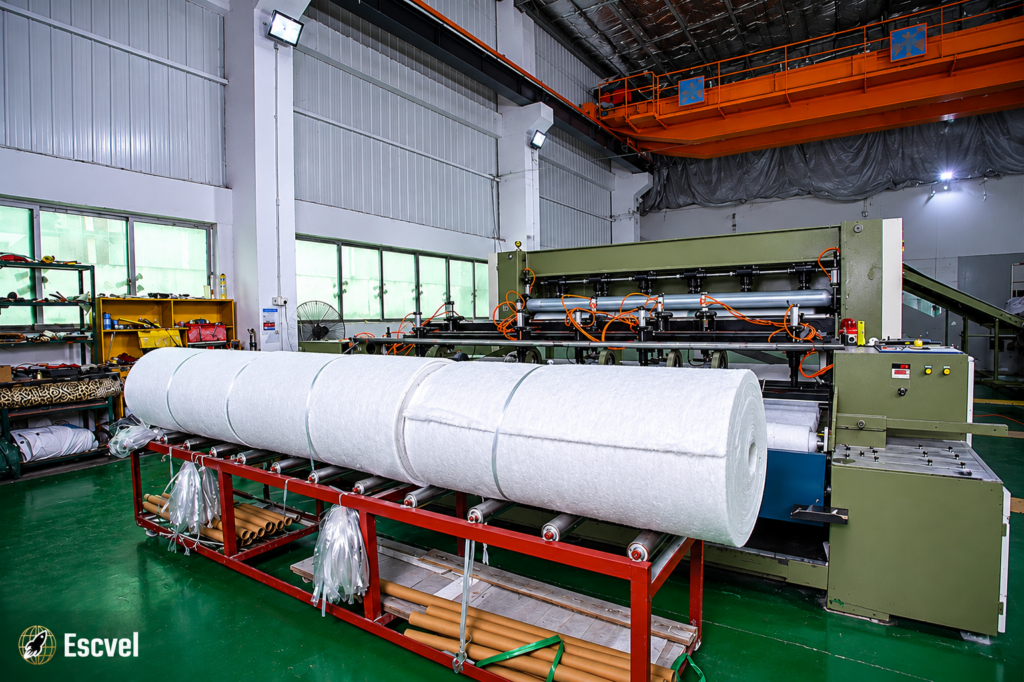
Continuous E‑glass rovings chopped (commonly ~50 mm), randomly deposited, sprayed with polyester powder or PVAC emulsion binder, heat‑formed and cut to size.
Key production controls:
Strand length, binder type, oven cure, moisture
Product highlights:
Consistent thickness, fast wet‑out balanced in‑plane properties, and good weldability for small radii.
Features & characteristics
Random, non‑directional reinforcement for isotropic strength.
Fast resin penetration and low resin consumption for cost‑efficient laminates.
Even area weight and medium rigidity for press and molding.
Good chemical resistance when using fluorine/boron‑free glass types.
Resin compatibility & chemicals
Commonly compatible: Unsaturated Polyester (UP), Vinyl Ester (VE), and many Epoxy systems; verify binder/resin pairing for infusion or structural epoxy use.
Manufacturing processes:
Hand lay‑up & spray‑up — primary use.
Compression/press molding — medium/high GSM mats.
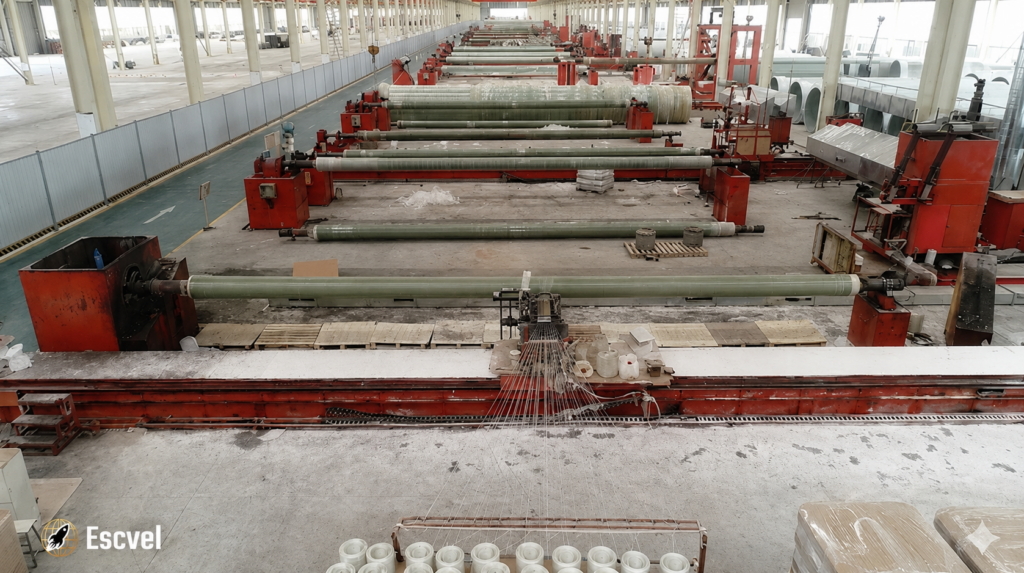
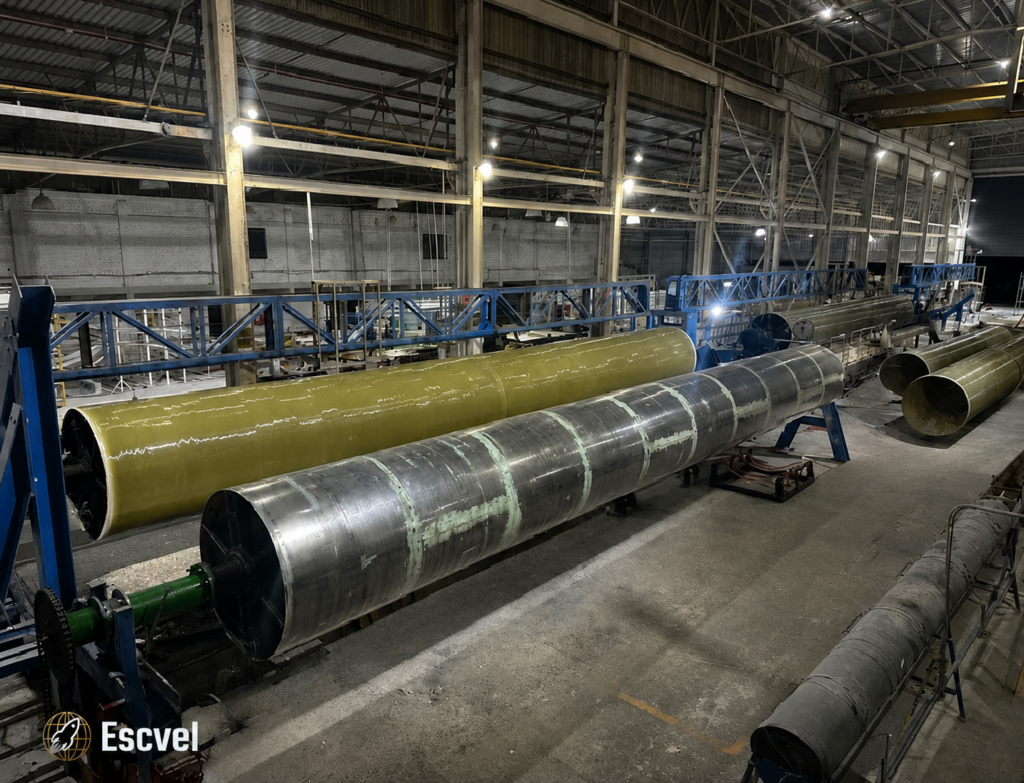
Filament winding & centrifugal casting — as backing or combined reinforcement.
Vacuum infusion/RTM — possible with low‑binder, epoxy‑compatible mats and process controls.
Typical end products
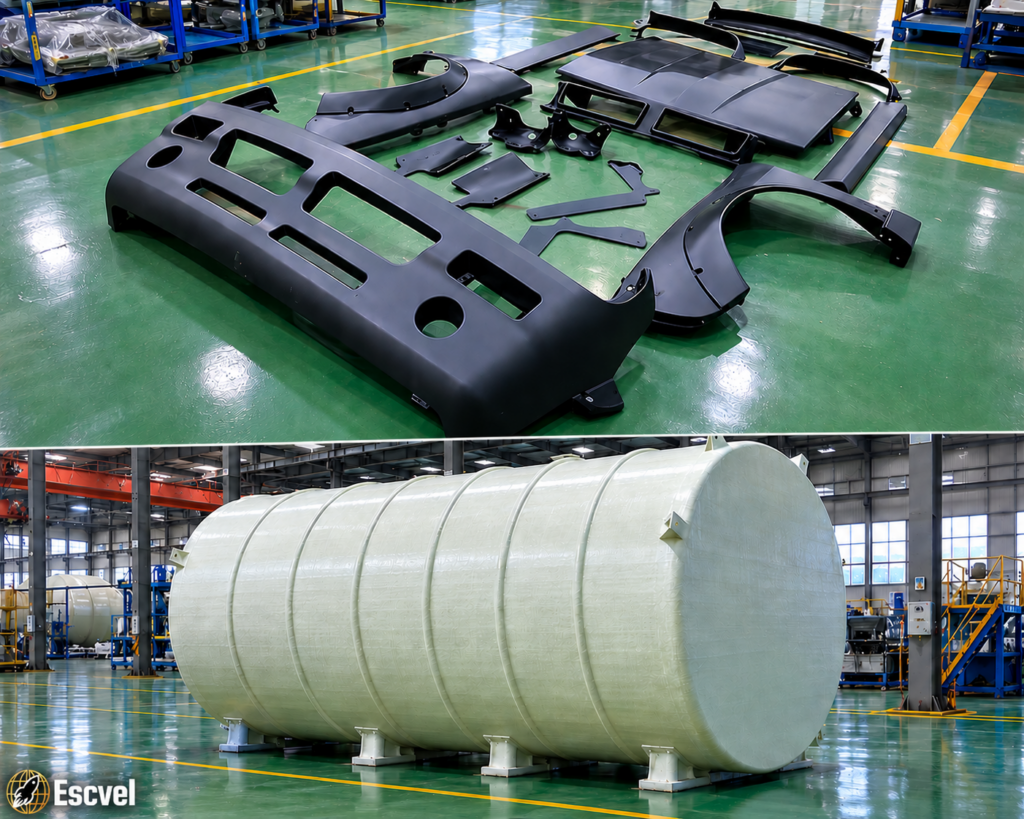
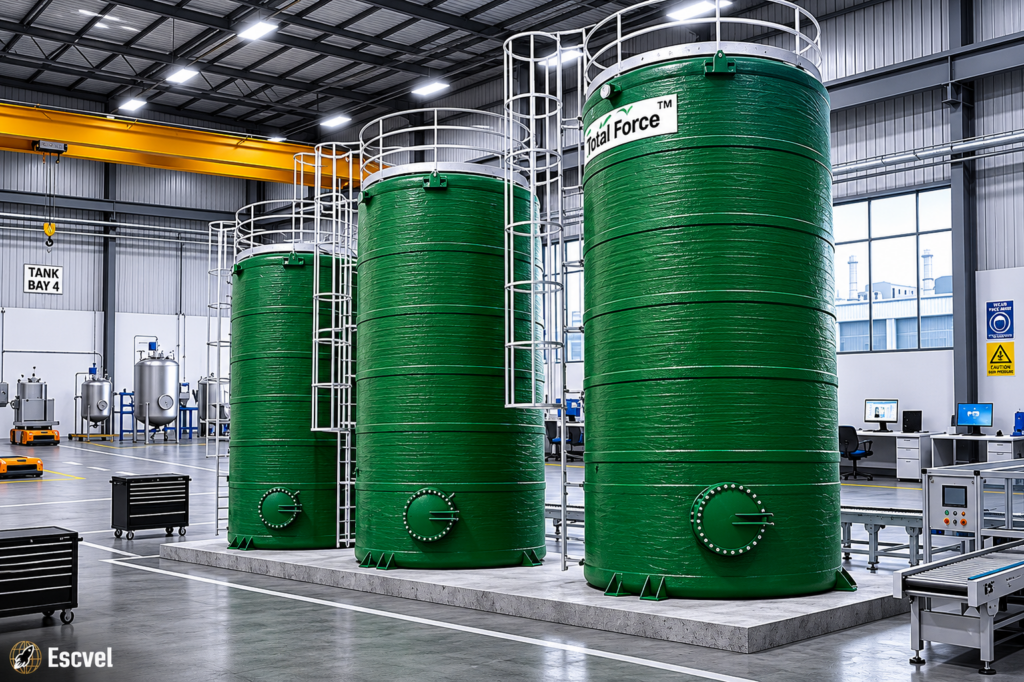
Marine hulls & decks, automotive panels, cooling towers, storage tanks, anti‑corrosion pipes, bathroom fixtures, surfboards, and general FRP panels
Stitched Mat
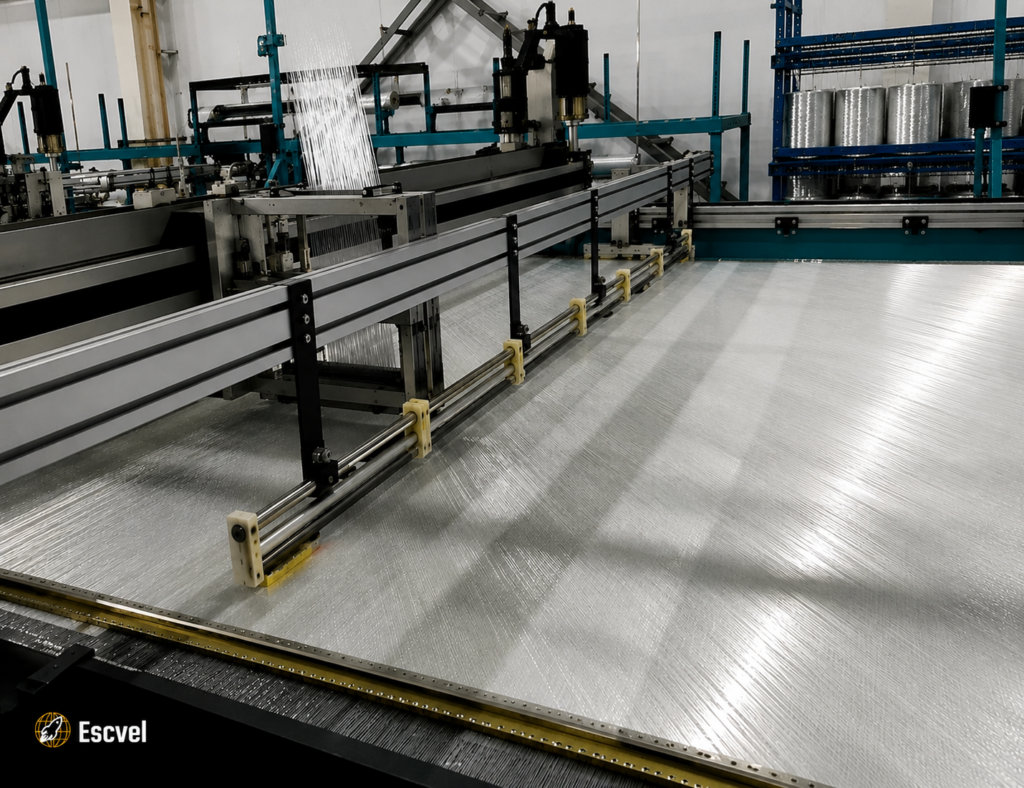
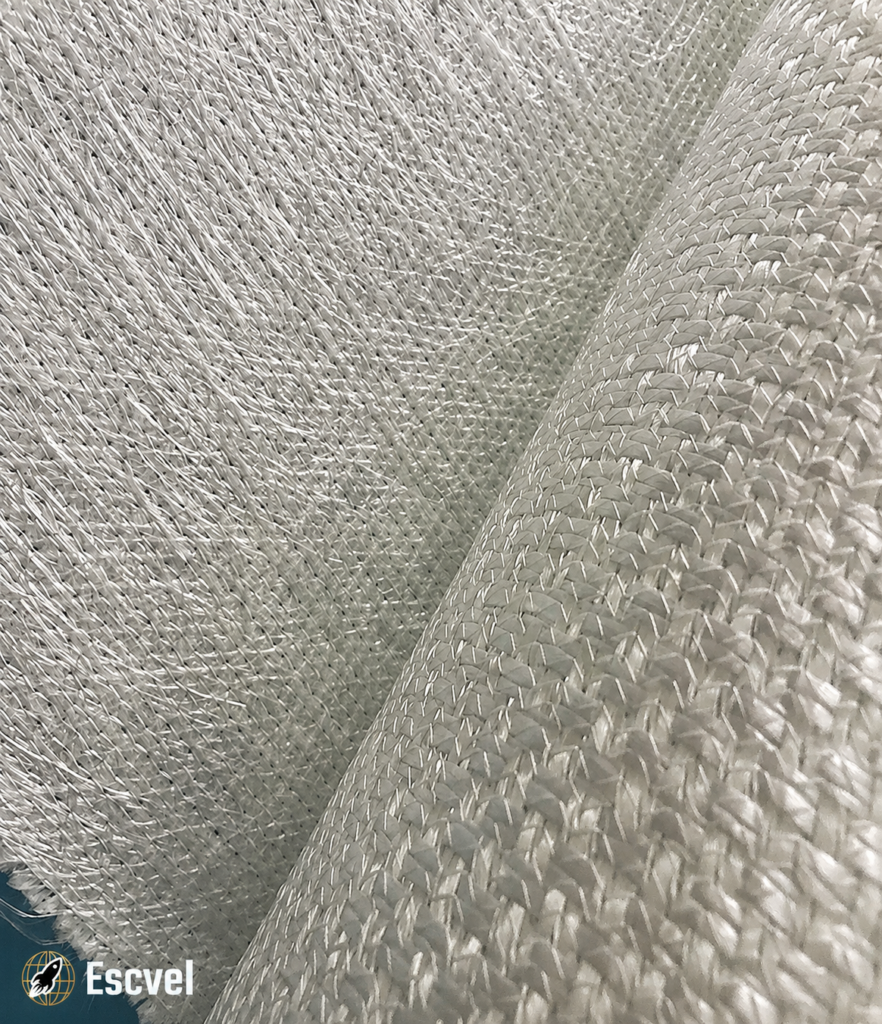
Stitched Mat is a mechanically stitched, non‑woven glass reinforcement that combines chopped strand or woven roving with polyester or organic stitch yarn to deliver even thickness, fast wet‑out, directional tailoring and excellent permeability for pultrusion, winding, RTM and hand‑lay‑up processes.
Stitched mat is binder‑free or low‑binder stitch‑bonded glass reinforcement for piping, tanks, pultrusion, wind blades, marine and structural FRP. Available GSM 200–1500 and widths up to 1500–2540 mm depending on supplier.
Process:
Chopped strands or woven roving are randomly or controlled deposited on a carrier and stitched with polyester/organic yarn to lock fibers into a stable mat.
Construction choices:
Stitch pattern, stitch yarn weight and optional carrier tissue (polyester, carbon) tailor permeability, stiffness and surface finish.
Key features and benefits
Even thickness and stable structure for predictable molding.
Fast wet‑out (many grades ≤60 s) and high wet tensile strength for efficient impregnation.
Directional tailoring possible by stitching over woven roving or adding oriented layers.
Binder‑free options improve epoxy/RTM compatibility and reduce contamination.
Resin compatibility and best processes:
Compatible resins: Unsaturated Polyester (UP), Vinyl Ester (VE), Epoxy (EP) — choose low‑binder or binder‑free stitched mats for infusion/epoxy processes.
Best processes: Pultrusion, filament winding, RTM, vacuum infusion, hand lay‑up — stitched mats feed continuously and offer good permeability for resin flow.
Typical applications:
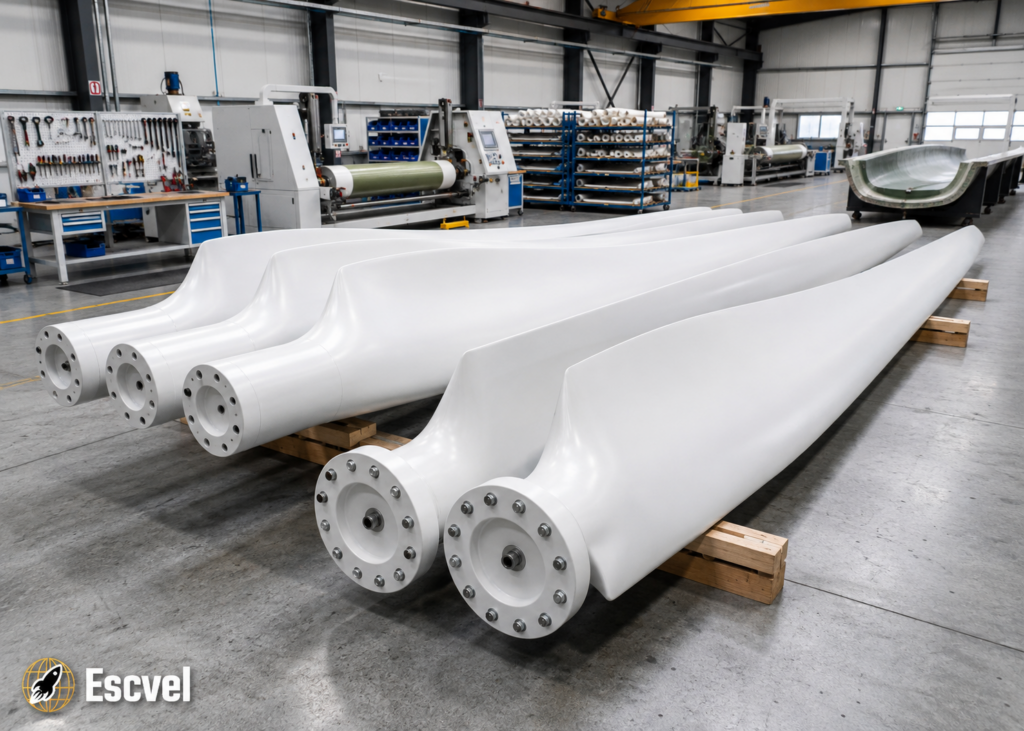
Pultruded pipes and profiles, storage tanks, wind turbine blades, FRP boats, insulation panels, automotive parts, bathtubs — favored where permeability, dimensional stability and tailored directional strength are required.
Woven Fabrics
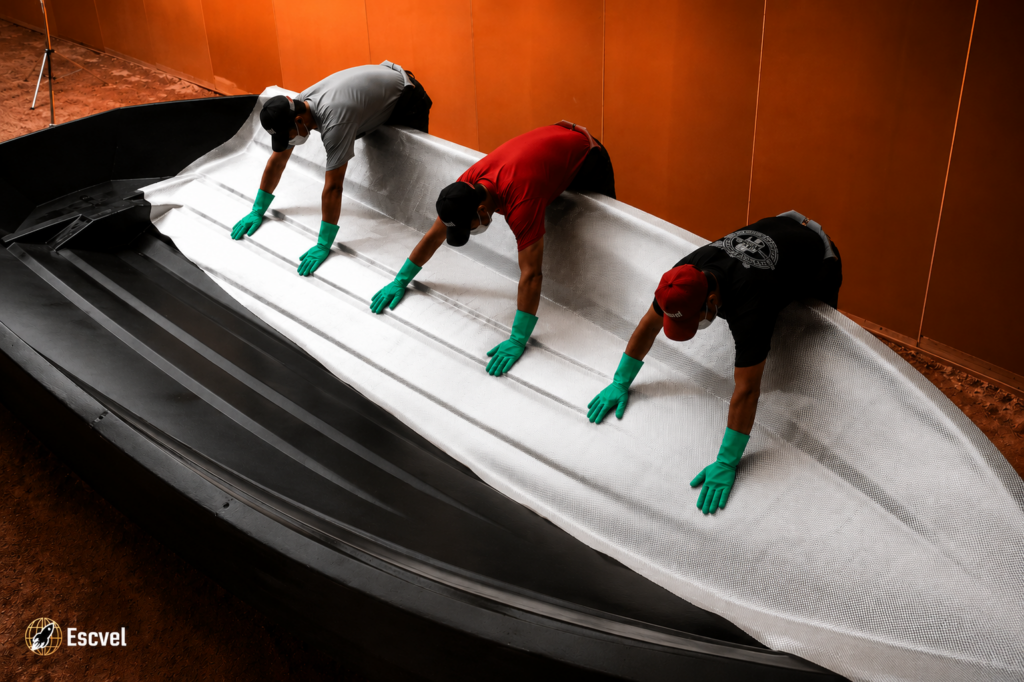
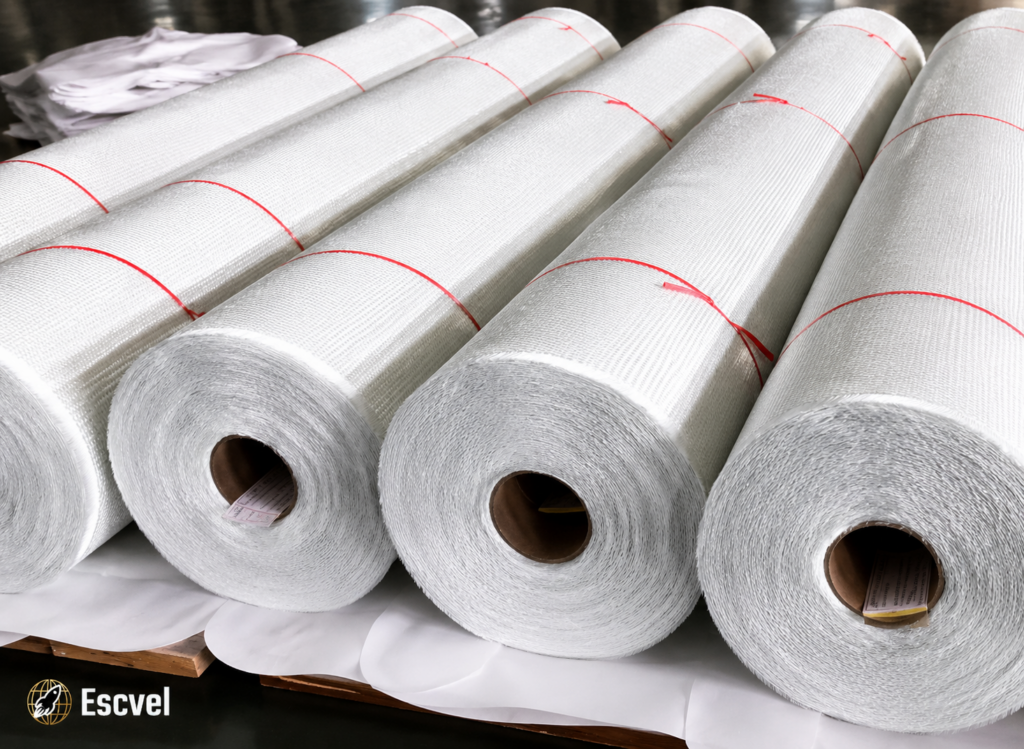
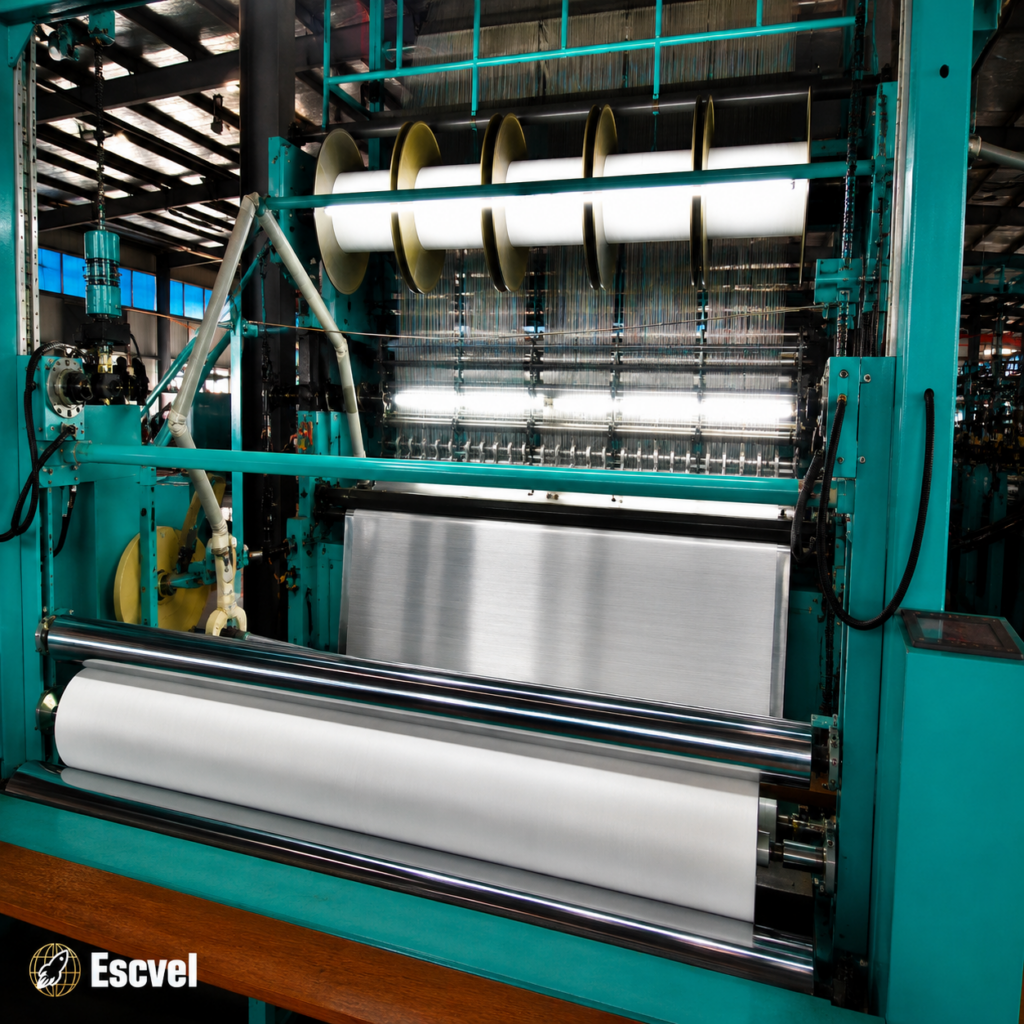
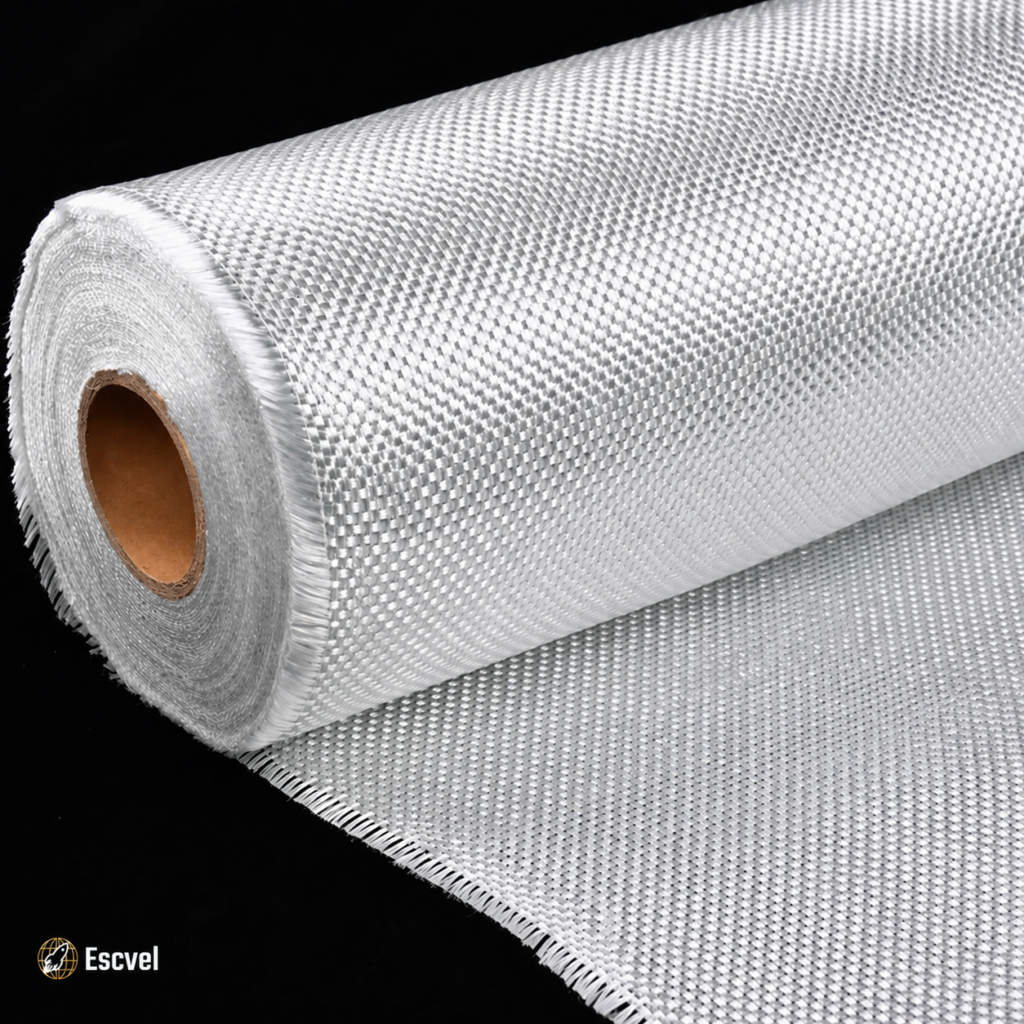
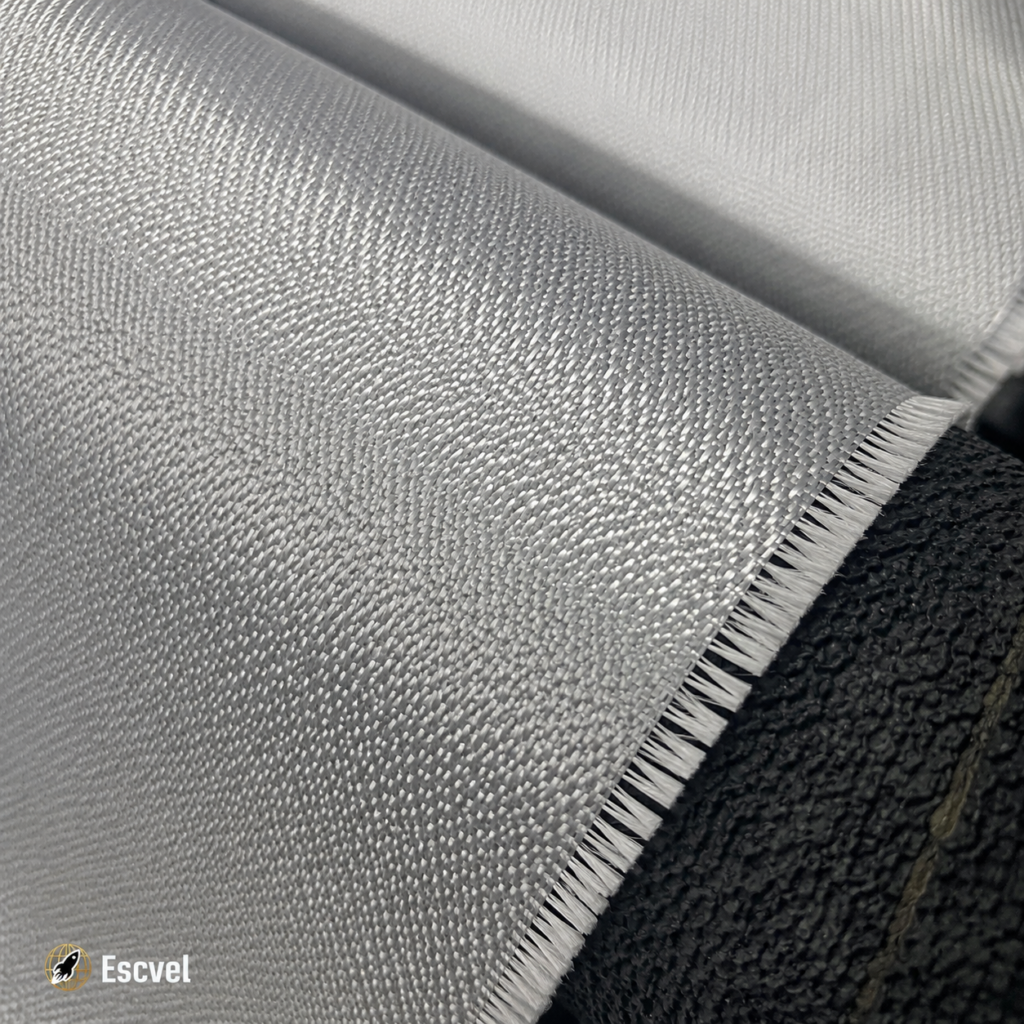
Woven glass‑fiber fabrics (woven roving / expanded woven) are bidirectional reinforcement textiles engineered for consistent thickness, fast wet‑out, and high mechanical strength—ideal for hand lay‑up, filament winding, mold‑press and BMC processes across marine, automotive and industrial applications.
Loom‑woven fabrics made from direct rovings or continuous glass filaments in plain, twill or tailored weaves.
Typical weights: 200–800 g/m² (heavy styles up to 1,200 g/m²); widths from narrow (winding) to multi‑metre rolls. Low moisture and low LOI are maintained for consistent curing and laminate quality.
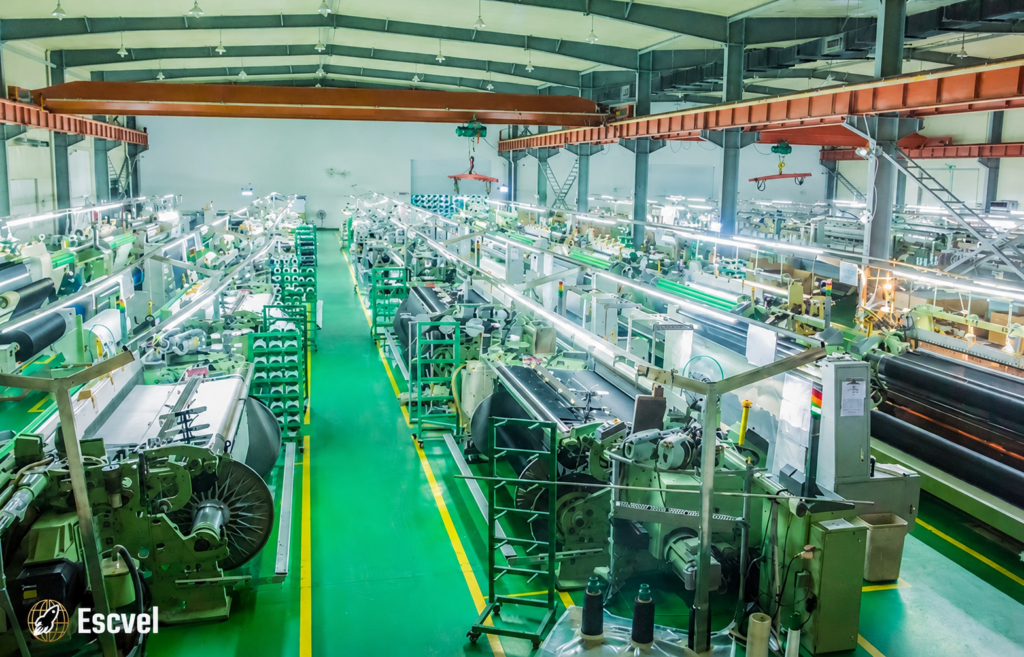
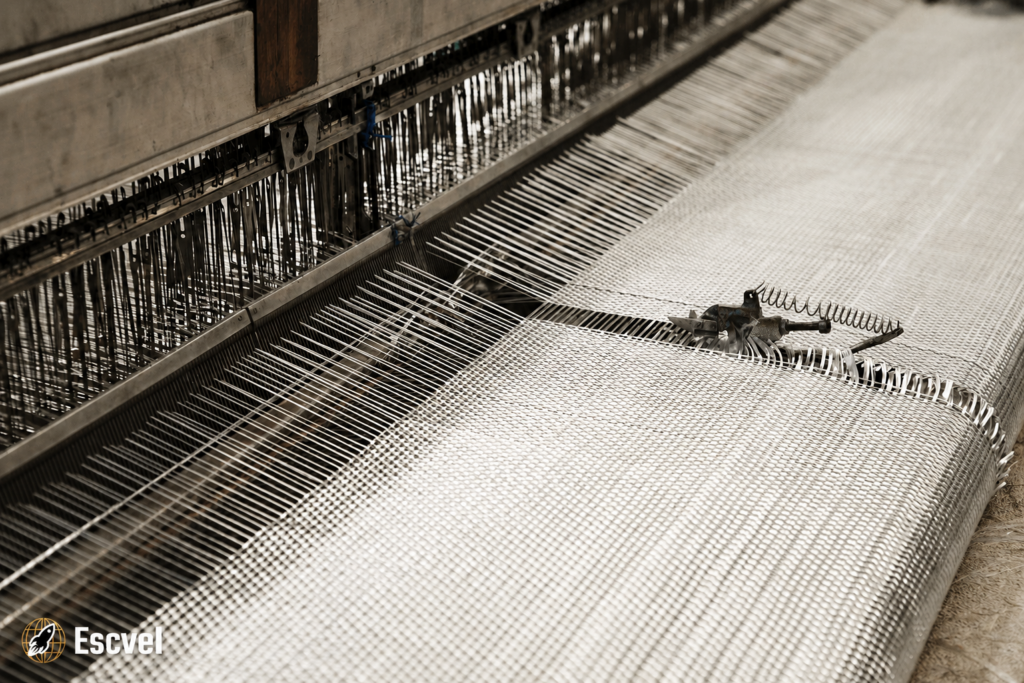
Direct rovings are fed into weaving looms and interlaced in 0/90° bidirectional patterns to create even area weight and predictable stiffness.
Sizing is applied to filaments to optimize resin wet‑out and interfacial bonding. Fast wet‑through is achieved by controlling filament count and weave density.
Key features:
Consistent thickness & even area weight for uniform laminates.
Fast wet‑out / wet‑through reduces air entrapment and speeds hand lay‑up.
High tensile strength and dimensional stability in warp and weft.
Clean surface finish for cosmetic laminates and gelcoat compatibility.
We do execute stabilization including reweaving & stitch repair details.
02
Artistic Direction
Assist collection strategies, storage, application and pest production management.
03
Satin weaving
Continuous weft yarn, with as few interruptions of warp as it possible.
04
Fabric Dyeing
Transfer dyes from aqueous solution onto the fiber surface & diffusion.
The Textile, Product, And Apparel Manufacturing Industries.
Fablio Textile fabrics aims to provide the best price on authentic fabrics. Every Harris Tweed or Moon Wool order also includes original swing tags and labels. We keep always keep an eye on quality.
We’ve been established as a family furnishers business for over 60 years. With a beautiful showroom in Kolkata, out friendly staff pride themselves in providing a high level of service.
An Acrylic Pulp
Fibrillated acrylic fiber & rein forcement material.
An Aramid Pulp
A highly fibrillated blend of the aramid fiber and acrylic fiber
Aramid Microfiber
Micronized aramid fiber achieved by Fablio self-designing.
Acrylic Microfiber
It can gives better toughness and polishing effect.